Evidence before assumptions
Understand the water
beneath the headlines.
Evidence-led guides to groundwater contaminants, private wells, climate, monitoring, and water management.
Emerging contaminants
PFAS in Groundwater: What the “Millions at Risk” Headlines Really Mean
Separate national predictions, raw-water detections, and household results before deciding what a PFAS headline means for your supply.
Read the guide
Private wells
Your Well Looks Clear After a Flood. What Should You Check Before Using It?
A practical evidence trail from safe access and professional assessment to purposeful sampling, results, and follow-up.
Read the guide
Reading water data
Nitrate or Nitrate-N? The Small Label That Can Change Your Water Report
Learn why two different nitrate numbers can represent the same concentration, and how to compare reports without creating a false trend.
Read the guide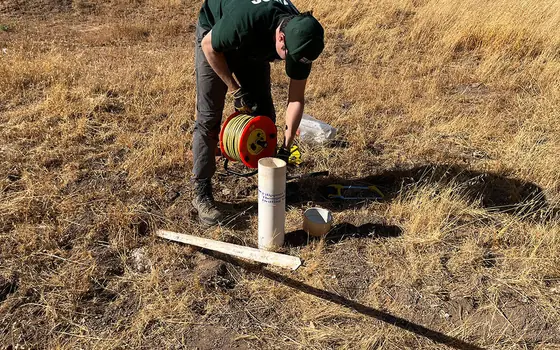
Geogenic contaminants
Clear Water, Hidden Arsenic: Why a Nearby Well Cannot Tell You Your Result
Understand the roles of geology, depth, laboratory units, and sampling context when investigating arsenic in a water source.
Read the guide
Coastal aquifers
Is the Sea Reaching Your Well? Reading the Evidence Behind Coastal Salinity
Why conductivity, chloride, water levels, depth, and pumping history belong together in a coastal groundwater investigation.
Read the guide
Climate and groundwater
Groundwater Is Warming: What the Global Projections Say About Your Well
A guide to scenarios, depth, local temperature records, and the difference between a warm tap and a warming aquifer.
Read the guide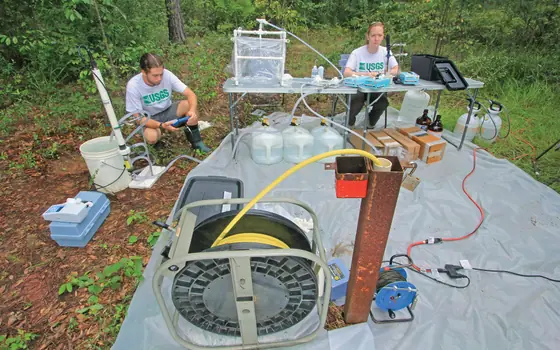
Data and models
Can AI Tell Whether Your Well Is Safe? Read This Before Trusting a Map
Prediction targets, training data, validation, calibration, and uncertainty determine what a groundwater AI map can responsibly support.
Read the guide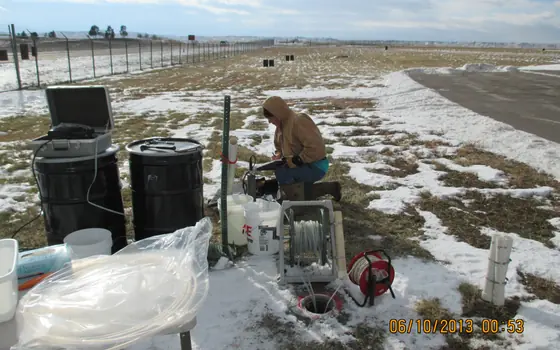
Monitoring practice
Citizen Science for Groundwater: How to Collect Data People Can Actually Use
Build a useful community project with a clear question, consent, quality checks, consistent records, and honest limits.
Read the guide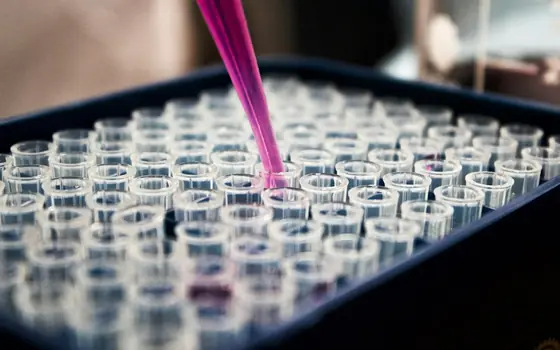
Emerging contaminants
Microplastics in Groundwater: What a Detection Proves—and What It Does Not
Read particle definitions, contamination controls, identification methods, and the 2026 policy discussion without confusing detection with risk.
Read the guide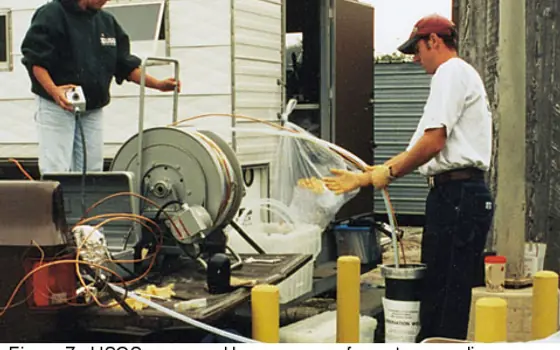
Water management
Can We Refill Aquifers Safely? The Water-Quality Questions Recharge Must Answer
Recharge is more than underground storage: source variability, aquifer reactions, pilots, monitoring, and accountable operations matter.
Read the guide